The Whisky Ambassador Guide to: Pittsburgh, PA

There are few cities in North America that can boast as proud a Whiskey history as Pittsburgh, a story of brave and thrifty settlers making use of everything at their disposal, a story that’s continued much up to the present day.

Pennsylvania at the time was nothing like we see it today; isolated, hostile and untamed. Most settlers in Pittsburgh were farmers and depended on making an existence out of this land by growing grain. If the farmers made enough to support themselves and their families, they’d usually use the leftover to make what we now call Whiskey. Whisky was thus central to Pittsburgh, not only being used as a much-loved liquor, but also as a form of barter currency for goods and services.
Photograph by Cody Long

Photograph by Cody Long ©
Link in Photo- Unedited

In 1772, Gabriel and Isaac Walker migrated from Lancaster County, Pennsylvania towards near Scott’s Run and Robinson Run, near today’s Settlers Cabin Park. They farmed this land, and with the leftover grains, distilled whisky. Pittsburgh, at this point was the Whiskey distilling capital of the United States, with more than 4,000 stills in operation by this point. Pittsburgh was truly Kentucky before Kentucky ever was.

Unfortunately, George Washington, aware of the deep debts the United States was facing subsequent to the Revolutionary war, decided to approve an excise tax on liquor to raise revenue. Farmer-Distillers in Kentucky, Maryland, Virginia and Pennsylvania burned tax collectors in effigy, and launched attacks. Distillers in Pittsburgh were some of the worst offenders, with nearly 400 burning the Bower Hill mansion of the tax collector. 150 of these were arrested, the Walker brothers included amongst them. Two men were sentenced to hang, but eventually pardoned, one of them being Philip Wigle, a name you may recognise.


To appease the rebels, Presidents George Washington and Thomas Jefferson offered settlers 60 acres of land in Kentucky if they moved there and grew corn, giving birth to the Bourbon industry, which is primarily corn-based and aged in new, charred, white oak barrels as opposed to the white whisky produced in Pennsylvania, which wasn’t usually aged.

German immigrants were vital to Pittsburgh’s whiskey trade, led by Abraham Overholt, who settled in West Overton, over by Westmoreland Country. It was from there that Overholt began to distgill his whisky, Old Overholt. His grandson, industrialist Henry Clay Frick, was born there and Frick’s daughter even preserved many of the distillery buildings in the area, allowing today’s generations to visit West Overton and see how whisky was distilled in the 1800s.
Photo credit to ‘Connie’ from Flickr ©
Link in Photo- Unedited

Unfortunately, Prohibition hit Pittsburgh hard, effectively ending whisky production for the next few decades. However, like those first settlers who didn’t skimp on using all their grain, several individuals have researched and recycled Pittsburgh’s whisky history and resurrected the memory of Peter Wigle, the whiskey rebel who Washington pardoned, by creating ‘Wigle Whiskey.’

The Meyer-Grelli Family opened Wigle in 2012, offering rye and wheat whiskies, bitters and gin, but still producing the white whiskey, as did its forebearers over 200 years ago. With the opening of Wigle and Stay Tuned Distillery in Munhall, Pittsburgh is indeed revisiting some of the Whisky boom it experienced by those first settlers. There’s also the Pittsburgh Whiskey & Fine Spirits Festival. With these in mind, it’s high time that Pittsburgh returned to being the natural Whisky capital that it was borne out of.

Taking place ahead of the Whisky Ambassador courses in Philadelphia and Pittsburgh, our guide will uncover some of Pittsburgh’s best Whisky spots.
Photograph by Invaluable Official Whiskey ©
Link in Photo- Unedited

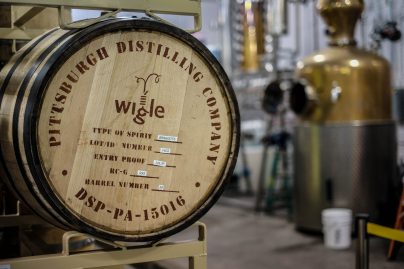
Wigle Whiskey

It’s little surprise that Wigle whiskey is going to feature prominently in any article about Pittsburgh’s whiskey history; Wigle started in 2012 and have been instrumental in instigating Pittsburgh’s ‘whiskey renaissance.’ Aside from whiskey, Wigle have started producing both rum and gin (including genever!), but they’ve continued to experiment with their Whiskey also, including experimental whiskeys recently included a four-grain variety, whiskeys aged in unique barrel woods, and a hops-infused whiskey.

Although their bottles can be a little on the pricey-side (perhaps pretty fair regarding their limited availability), you certainly don’t need to leave with a bottle to enjoy Wigle as a distillery. Wigle’s staff are friendly and certainly more than happy to tell you about the distillery’s and the area’s rich whisky-producing history, as well as the process behind the production of their whiskies, which isn’t all too different to how it was made back before the birth of the United States.
Photography by Jacob Caddy ©
Link in Photo- Unedited

McLaughlin Distillery

McLaughlin is a small-batch craft distillery located in Sewickley, Pennslyania. Each spirit is crafted by hand, and the distillery eschews expensive machinery or a large staff presence, with volunteers being an intricate part of the operation. The distillery doesn’t even have a sign on the building! Talk about having a moonshiner feeling.

Capitalising off of this reputation and marketing platform, the distillery offers High Quality liquors, including High Quality Moonshine distilled from grain, and more traditional whiskey fare, including two Bourbon whiskies and Pittsburgh’s infamous white whiskey of yore.

Mountain Top Distillery

Much like the other distilleries in the nearby area, Mountain Top specialise in spirits with history, aka Whiskey and moonshine, reflecting back on Pennsylvania’s spirited roots. Mountain Top, like Wigle Distillery, started in the early 2010s, before being taken over by Frank & Sarah Kudlack, a husband and wife team.

However, unlike many of the distilleries open across Pennsylvania, Mountain Top are firmly indebted into experimenting with traditional forms of whiskey, including by injecting coffee flavourings (Slow Ride) and maple-leaf flavours, (Jacked Up) alongside more traditional fare. Their moonshine offerings provide even more flavourings for those interested in America’s 1920s-era spirit, including Apple Pie moonshine, Pumpkin Pie, Lemon, Root Beer and ‘Twerked Tea,’ alongside other flavours.


Liberty Pole Spirits

Named after the ‘liberty poles’ that were planted throughout the United States by the rebels who opposed the new laws taxing whiskey, Liberty Pole pride themselves on Pittsburgh’s important whisky-producing past, choosing to symbolise the loving appreciation for a craft that is once again bringing livelihood to Pittsburgh. Eschewing the moonshine-centred approach that other nearby distilleries have taken, Liberty Pole offer a wide variety of whiskies, including Bourbon, Peated Bourbon, Rye Whiskey, Corn Whiskey, Bourbon Cream and the more traditional colour-less whiskey sold in Pittsburgh’s whiskey heyday.

The Whisky Ambassador Course will take place in Pittsburgh, PA on October 20th 2018

The course will also take place in Philadelphia, PA on July 14th 2018. 
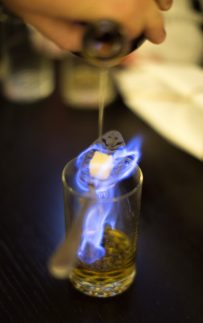
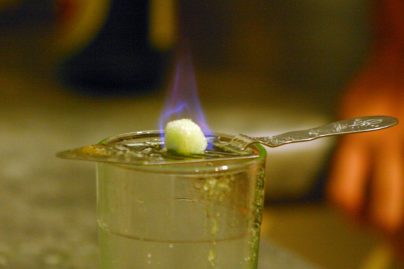
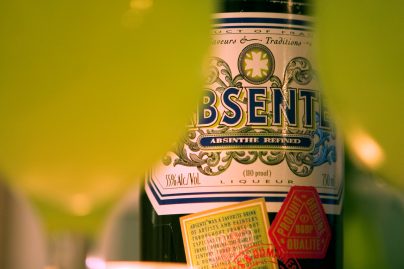
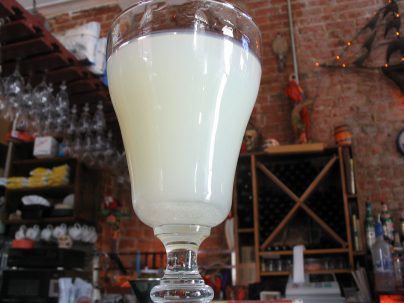
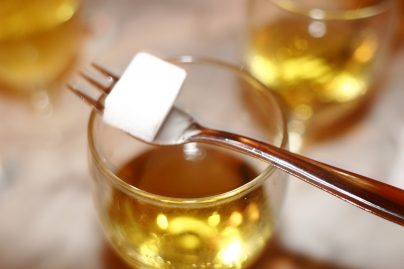
The Whisky Ambassador Guide: Absinthe

Driven by Lost Loch’s production of the first “Scottish absinthe” “Murmican” late last year,  some wondered what had driven the company to produce such an outdated spirit, particularly one with such a dramatic and notorious past. Moreover, surprisingly few self-designated spirits connoisseurs know anything at all about one of Europe’s classic spirits, especially considering its reputation for both opulence and the darker side of hedonism. Despite modern research and its disproving of this ‘dangerous’ name, we still see little consumption of gin and whisky’s more mysterious cousin. However, despite the dark exterior, we’re going to delve a little deeper into the character and history of the spirit, which has been largely banned until very recently. For those seeking adventure into what they drink, absinthe may well be the perfect tipple.

‘Murmican,’ named after a wicked traditional Scots fairy and modelled closely after the traditional Swiss recipe, will hopefully provide a welcome kick up the exterior for the potential of absinthe as a potential sales force, particularly as a result of its similarity in production to gin, and the wealth of gin distilleries that Scotland nowadays has in abundance. Made with grande wormwood, as in traditional absinthe, as well as green aniseed, fennel seed, star anise, bramble leaves and heather flower, ‘Murmican’ hopes to simultaneously harken back to the spirit of modernism rife throughout 19th century absinthe and introduce some Scottish spirit into the drink, pardon the pun.

Photography by Brendan Lim

Photograph by Brendan Lim – ©
Link in Photo- Unedited

So, What is Absinthe? 

For most countries, there’s little to no legal definition of absinthe, meaning that producers are often able to sell products that diverge quite drastically from the ‘traditional’ methods of production and label them absinthe.

Nonetheless, two distinct ‘traditional’ processes exist for producing absinthe.

The first, via distillation, is similar to gin, in that Botanicals are macerated in distilled base alcohol before re-distillation to remove bitter bitter ingredients and principles. These give individual forms of absinthe their desired complexity and nature. This distillate, when it leaves the still, averages at about 72% ABV, which can be reduced and bottled off as ‘la blanche’ or la bleue absinthe.

Photography by Flickr user ‘scarymonkeyshow’ ©
Link in Photo- Unedited

‘Traditional’ forms of absinthe, however, obtain a green colour from the chlorophyll contained within the whole herbs that are added typically during secondary maceration. These plants/herbs are likely to be petite wormwood, hyssop and melissa, amongst others. These steps provide the natural complexity typified by traditional absinthe, whilst the chlorophyll imparted by these plants acts similarly to tannins imparted to wine and brown liquors, including whisky. Like whisky, absinthe is said to increase in quality with age.

The second form of producing absinthe is via a cold-mix process, in a similar manner to how compound gin is made. This involves the simple blending of essential herbs and flavours as well as artificial colouring in simple commercial alcohol, in a manner similar to most flavoured vodkas.

History

Medicinal use of wormwood, the dominant and essential ingredient in absinthe, as juniper is with gin, dates all the way back to ancient Egypt, with wormwood extract being used. There was also likely a wormwood-flavoured wine (“absinthites oinos”) being served in ancient Greece.

The first use of wormwood in the more modern sense of distillation, containing green anise and fennel, dates back to the 18th century. By popular legend, Dr. Pierre Ordinaire, a French doctor in Couvet, Switzerland, created absinthe as an all-purpose medical remedy, later to be passed onto the Henriod sisters of Couvet, who continued to sell absinthe as a medicinal elixir. ‘Major Dubied,’ having acquired the formula from the sisters, was the first to open the first absinthe distillery, building a second distillery in Pontarlier, France.

Photograph by Flickr user ‘jb’ ©
Link in Photo- Unedited

From here, its popularity steadily grew until it was given to French troops as a malaria preventative, bringing the drink back home with them. Eventually, absinthe’s popularity grew enough with bars, bistros, cafes and cabarets that 5pm came to be known as ‘the green hour,’ owing to the drink’s light green complexion. By 1910, French citizens of all classes and social stature were drinking 36 million litres of absinthe a year. The drink was also exported to other countries, and became similarly popular in Spain, the United Kingdom, the United States and the Czech Republic.

Fall from Grace

Unfortunately, it was absinthe’s growing popularity that forged its reputation as fomenting violent crimes and behavioural/social disorder. Edgar Degas 1876 painting L’Absinthe helped to reinforce the reputation of Absinthe drinkers ‘sodden and benumbed.’ It was around this period that Absinthe developed its reputation as being a hallucinogenic and leaving drinkers worse off than other spirits, with various psychiatrists claiming that heavy drinkers frequently experienced rapid bouts of hallucinations, including the notable absinthe opponent Valentin Magnan.

Photography by Flickr user ‘Tim © Link in Photo- Unedited

By 1905, Jean Lanfray, a Swiss farmer murdered his family and attempted to take his own life after drinking absinthe. Despite Jean being an alcoholic who had also consumed vast quantities of wine and brandy, absinthe was held as the culprit, and by referendum in 1908, the banning of absinthe was written into the Swiss constitution. Many countries followed suit, with the Netherlands following in 1909, the United States in 1912, and France in 1914, although notably, Spain and the United Kingdom did not follow suit. However, in most countries, both sales and consumption of absinthe fell rapidly, leading to the quiet death of absinthe production by the 1960s across Europe.

Photography by Jared Kelly © Link in Photo- Unedited

Revival

Due to the lack of a ban in the UK, Czech absinthe began to be imported there in the 1990s. Whilst its popularity grew, many absinthe connoisseurs considered these ‘bohemian’ absinthes as of inferior quality. However, by 2000 La Fée Absinthe began the first producers in France since 1914. Originally designed for export, since the reversal of the ban in 2011, Absinthe has been available in France as in many other nations across Europe, largely as a result of the ban’s incompatibility with the European single market.

Consequently, Switzerland and France have resumed producing quantities of absinthe, and in 2007, French company ‘Lucid’ became the first company to legally export absinthe to the United States since 1912. In this light, Lost Loch’s creation of ‘Murmican,’ couldn’t come sooner, hopefully helping to bolster and charter a spirit with an unusual history, both mysterious and sublime. With gin undergoing such a drastic renaissance in Scotland, it can only be so long until unusual spirits such as Absinthe make use of Scotland’s vast spirit-making potential. Indeed, for those who seek to walk down the path less wandered, Absinthe may just be the prime choice as an avenue alongside more traditional fare such as whisky or gin.

For more information on the processes behind distilling and producing some of your favourite beverages, take one of our courses. Our whisky ambassador courses can be found here, and our Gin Ambassador courses are coming to worldwide audiences soon!

Words by Liam Harrison

The Whisky Ambassador Guide to English Whisky

With the resurgent worldwide interest in Scotch, our southern neighbours’ interest in whisky sadly often doesn’t get a look in. However, England does have a history of producing single malt, at least until 1905 with the closure of Lea Valley distillery.

However, it wasn’t until 2003 that St. Austell Brewery & Healey Cyder Farm announced the first production of a “Cornish” single malt “Whiskey.” Since then, numerous distilleries started up, and, as of 2017, have served as a welcome addition to the UK spirits trade.

In the spirit of Saint George’s Day, we’ve put together a list of some of the staples of the Whisky business in England.


Spirit of Yorkshire Distillery

Tasked with creating Yorkshire’s first single malt Whisky, the Spirit of Yorkshire Distillery has sought to blend the traditions and techniques of Scotch, amending them with use of locally, sustainably produced elements. All barley and spring water used in the production of Spirit of Yorkshire have been grown and sourced from the local family farm. Featuring some of the largest copper stills outside of Scotland, production was started in May 2016.

As in Scotland, spirit produced has to be matured for three years to qualify as Whisky. However, whilst the production hasn’t quite reached the legal qualification for Whisky, various formulations of Spirit of Yorkshire’s maturing spirit is available for purchase until that date. As Yorkshire is a large and disparate area with its own vibrant culture and heritage, it’s an exciting wait to sample Yorkshire’s first whisky.

Cooper King Distillery

Similarly located ten miles outside of York, Cooper King took influence from a very different source to Scotland: Tasmania. Having visited eight distilleries across Tasmania, Abbie & Chris, the distillery founders, decided to move the innovative and distinct approaches of the antipodeans back to England and set up Cooper King in their light. As such, the Tasmania-sourced stills are unlike any other in Europe.

Nonetheless, Cooper King’s base is firmly in Yorkshire, being named after Chris’ great-great grandfather, who documented Chris’ ties to Yorkshire. All Barley is similarly 100% sourced from Yorkshire. With an emphasis on taking a green and sustainable approach, Cooper King’s plans are to run on 100% green energy, planting a tree for every bottle sold and planting a woodland and orchard on site.

Cooper King’s whisky is still maturing, but their gin will be available to all founders very soon, within Spring 2018. We for one can’t wait to sample their produce!

Cotswolds Distillery

Located in the beautiful North Cotswolds, Cotswolds Distillery was formed from a desire to honour the local heritage, using local raw materials, traditional distillery techniques and create a home for English Whisky. To this end, the Distillery is located in a village, with all staff members living nearby, the neighbours helping with the bottling and fruit peeling, and the spent grains from the mash going to feed the local cows.

Whilst Cotswold Distillery produces everything from Gin to Absinthe, its won particular praise for its own Single Malt Whisky. A rich, fruity and easily drinkable whisky, the Cotswold Single Malt has flavours of tannin-rich malts and dark, spicy fruit, tasting a little like marmalade before finishing in a treacle-esque, long, resinous finish. Cotswold have also filled a variety of different casks, planning to release different bottlings during the coming months and years.

Isle of Wight Distillery

Currently the only distillery on the Isle of Wight, founders Xavier and Conrad wanted to express the unique properties of the Island into their spirits. All spirits are cut with local spring water to deliver layered complexity and smooth delivery characteristic of the island way of life.

IoL Distillery have been laying down Whisky since 2015 with Isle of Wight barley, with the spirit left to mature in both Bourbon and white wine casks before being moved to either sherry, madeira, cognac, port or even peated whisky casks. Importantly, whilst their whisky isn’t available commercially, their gin produce is, and a number of stockists on the island and throughout mainland UK now stock them.

Hicks & Healeys Distillery

Whilst a Cider farm doesn’t sound like the best place to find whisky, company founder Kay and David were the first to begin selling English Whisky, notably producing it in “Cornwall’s first distillery in 300 years.” Supposedly, every bottle produced by the Cornish distillers will vary slightly. Their whisky, at seven years old, started selling in 2011, also advertised as England’s oldest whisky.

For a list of the locations you can take the Whisky Ambassador course in England, click here.


International Whisky Day

It’s our favourite day of the year- International Whisky Day!

Wherever you are today, you can take a minute or two to toast your own special experiences with ‘Scotland in a glass.’®

Today, we’re using the occasion to celebrate the changing face of whisky, and help break down age-old stereotypes of who and how you should enjoy whisky!

For every amazing person we’ve met throughout the Whisky world, we’ve had someone, quizzical look in tow, reinforce the myth of whisky being a ‘man’s drink’ and question our status as members of the Whisky family. Instead, we raise our glass to celebrating the rich diversity of whisky drinkers worldwide, to embracing change in the whisky world, and to celebrating #ourwhisky.

Don’t wait for change, join our Whisky Ambassador family today.

Whisky Ambassador Guide to Frankfurt

Despite German-made whisky’s late start, Whisky in Germany is still a relatively recent phenomenon. Having only started in the last 30 years, the fan base of the spirit is still fairly large. There are currently 23 distilleries in Germany producing whisky in a wide variety of styles: single malts, blends, and bourbon styles. Apart from national distilleries, there is also great interest in the traditional production regions, especially in Scotland. More recently, Frankfurt has evolved to become a primary German hub for “Uisge Beatha“. Aside from The Whisky Ambassador training courses taking place in Frankfurt, there are plenty more whisky-related things to do in and around town.

InterWhisky Exhibition

InterWhisky is a 3 day event being held from 30th November to 2nd December 2018 in the fabulous Gesellschaftshaus Palmengarten venue in Frankfurt, touted as being a must-see for whisky beginners and pros. Both Whisky giants and ever smaller, independent distilleries from home and abroad come to Frankfurt for the annual family reunion.

In 2016 35 exhibitors presented their companies and products at InterWhisky. 8,000 visitors came to discover the latest trends and innovations of the industry. The main Whiskies exhibited will be from Scotland, Ireland, Canada and USA, as well as some German whisky distilleries, companies, touristic associations, whisky accessories. Welcomed are trade visitors as well as the public.

Whisky Shops

Whisky Spirits – Wallstraße 23, 60594 Frankfurt am Main – http://www.whiskyspirits.de

Whisky for Life – Fahrgasse 6, 60311 Frankfurt am Main – http://www.whiskyforlife.de

Die Whisky Kiste – Berliner Str. 39, 60311 Frankfurt am Main – http://www.diewhiskykiste.de

Looking for some of the finest whiskies available in Germany? Look no further than these Frankfurt stores. They all have an exquisite selection of Scotch Whiskies, Bourbons, as well as other international and local Whiskies. Due to the staff’s combined decades long professional experience and passionate interest in the production and tradition of Scotland’s national drink, you can be sure to get the best consulting whether you are new to the world of whisky or already a seasoned whisky veteran. Both Whisky Spirits and Whisky for life offer tastings and workshops. For more information please visit their respective websites.

Whesskey Distillery

Only an hour’s drive outside of Frankfurt you find the distillery Höhler, produces of exquisite German whisky since 2001. “Whesskey” is a play on the word whisky and Hessen, the state in which it is produced. Whesskey has subsequently gone on to be not only one of the most popular whiskies in Germany but has also built up a reputation internationally. Well known whisky critic Jim Murray named their first whisky “Best Whisky of the European mainland” in 2004. In addition, they also offer regular tastings and guided distillery tours. Within only an hour’s drive of Frankfurt, Höhler distillery  is a perfect stop to complement our upcoming Whisky Ambassador Frankfurt course. You’ll find more information on Whesskey’s history and the process behind production at: https://www.brennerei-hoehler.de.

Photo by Wikipedia user: ‘Hammersbach’ ©
Link in Photo- Unedited

The Whisky Ambassador – Happy International Women’s Day!

In 2012, Jo Graham and Sue Beatt founded the Whisky Ambassador with nothing more than a deep passion to enhance knowledge of Scotland’s national drink. Whilst providing accredited training about Scotch Whisky had never been done before, Jo and Sue have also been at the forefront of women in the whisky world, leading a trailblazing effort to maximise women’s involvement in producing and selling ‘Scotland in a Glass.’

The Whisky Ambassador is proud to celebrate both International Women’s Day and women’s achievements within the Whisky industry, and we raise a glass to women everywhere proving that age old expectations of who should make, sell and drink Whisky should be kept even more old fashioned than our oldest whiskies!

The Arctic’s Share: Birthing Whisky in Sweden

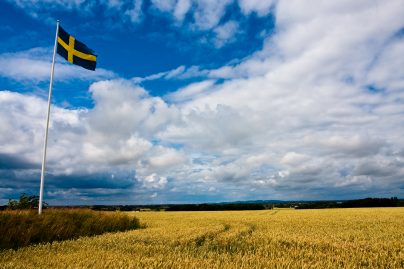
Centuries after the vikings helped create the Scotland of today, our national drink has been making inroads into the Swedish spirits market. Homegrown Whisky production, after all, only began in Sweden in 1999. After a couple of rocky starts, it turns out it needed those from the land of Volvo and meatballs a couple of whisky visits to our bountiful land to ‘Sweden the deal.’ (…Sorry).  Over to Meja…

Though Swedish whisky has only been established the past couple of decades, it has long been placed in the shadow by other alcoholic beverages. This is primarily due to clubs and bars in Sweden being dominated by other alcoholic drinks.

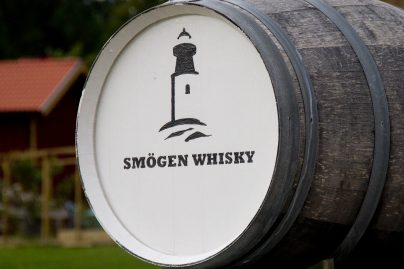
Beyond this, a Swedish whisky culture has been created with a focus on interest and tradition, with the most amount of attention coming from older generations. Groups and clubs who still champion traditional techniques of producing whisky regularly arrange tasting occasions, meetings and other events regarding whisky together. Meanwhile, established companies and distillations give a distinctly Swedish touch to Scotland’s national drink. There is, in fact, a large industry for whisky distillers like Mackmyra, Box and Smögen Whisky, who retain the interest of the older generation by giving them access to gorgeous whiskies made on Swedish soil.

Box, in particular, was recently voted as “the world’s most exciting new distillery,” likely meaning that their influence extends well beyond Sweden’s stereotypical whisky fan. Smögen, meanwhile have made a name for themselves by the dedication of their founder, Pär Caldenby, a long-time whisky lover who has written a book on drinking single malt, brought out a distinct London Dry Gin and, naturally, started his own distillery. Spirit of Hven, meanwhile are distinct for only being a short distance away from the Danish coast. Their master distiller, Henric Mollin is a chemist by profession who summons up flavours for other alcohol producers on the side of his main venture.

Mackmyra was the first company that brought up the question on the minds of Swedish whisky enthusiasts: why hadn’t there been any Swedish whisky brands established? They started to formulate a plan to produce a Scotch-leaning whisky, all with ingredients produced within Sweden. Starting the project scouring for the best recipe from over 170 different tastes, they ended up with the two very best, after many tests and tasting, being produced in the first pilot-distillery in Sweden. Since then, the successes of Swedish whisky production have gone from strength to strength. In 2005, the idea of the whisky company ‘Box’ started to grow after an inspiring journey to Scotland, and their dreams of setting up a swedish whisky distillery became reality in 2010. Around the same time, Smögen Whisky adopted the Scottish idea of flavoring the whisky after the location, and decided to design the Bohus whisky with roots and flavourings from the coast and seaside environment.


Photograph by Håkan Dahlström- ©
Link in Photo- Unedited


As Swedish whisky companies are being established, it’s important to give the whisky the name on the Swedish market that it deserves. Improving the knowledge regarding the history, heritage, mix and character for employees in the licensed trade, it’s shown that this contributes to an uplift in sales. At the core of whisky training is the idea of giving yourself and others the confidence, experience and knowledge to further professional whisky sales.

The Whisky Ambassador is the first accredited whisky course for both the licensed trade and for whisky enthusiasts. It’s uniquely designed to give the delegates a hand of Scotland’s national drink by immersing yourself in the history, geography and heritage but also the character, taste and mix. The course will also teach delegates the message of ‘Drink Less, Drink Better,’ that lays at the heart of the Whisky Ambassador. The idea and principles of the Whisky Ambassador was to give people, both employees and others, the confidence to sell the whisky and treat customers in a professional way. After being established in Scotland, whisky sales were increasing for those companies who have been delegated in the courses. Among those include Radisson Blu, Trump, Missoni and Cameron House. Increased customer satisfaction and better staff motivation have also been reported. The enthusiastic response to the business has also been to give the company the profitability to develop its content and plan further ideas regarding alcoholic beverages, for instance Gin.

The Whisky Ambassador can give people in Sweden, both employees and others, an intimate knowledge of Scottish national drink. The courses give those who are employed in the restaurants, hotels and bars the confidence, experience and knowledge about the whisky to give the it the place in the Swedish market it deserves. The Whisky Ambassador has expanded to 19 other countries and four continents teaching people about whisky and it is time for us in Sweden to keep up the work based on Whisky’s ever-increasing popularity and interest regarding whisky and whisky sales.

Meja Engström

A Whisky Guide to: Aarhus

Denmark has always had a soft spot for the mystery and taste of Scotch. With this in mind, there’s plenty of things to do in Aarhus for Whisky fans besides coming along to our Whisky Ambassador course. 

Highlanders Bar:

Featuring one of Denmark’s best liquor selections with over 200-300 different whiskies, many from the Scotch Malt Whisky Society, Highlands surprisingly isn’t a Scottish bar.  However, it is one of the best whisky bars that Denmark has to offer. In addition, hosting more than 200 tastings a year from different distillers, breweries and other liquor ambassadors, Highlanders can lay claim to being some of the most Scotch-dedicated establishments in Denmark.

Rum & Whisky Festival

Aarhus’ Rum & Whisky Festival operates every year, offering visitors a plentiful collection from the Scotch Malt Whisky Society, Talisker, Benriach, Glenfiddich, Laphroaig and Ardbeg, as well as selections of Indian, American, Irish, Welsh and Danish whisky. The event provides an opportunity for attendees to try numerous rare and special bottlings, either free of charge or for a small fee. For the small entrance fee of 345 DKK, there’s little excuse for whisky fans in Aarhus not to visit.

Photograph by Alexander Granholm © Link in Photo- Unedited

Stauning Whisky

A short drive away from Aarhus at the opposite western end of the Jutland peninsula, Stauning is one of Denmark’s few whisky distilleries, set up in 2005. Making smoky whisky reminiscent of ‘Ardbeg in the 1970s,’ with a combination of white oak barrels and Sherry, port and cherrywine casks, matured for at least three years. Better still, Stauning offer guided tours, with a tasting tour available for only 150 DKK, making Stauning a stellar stop off for your whisky journey in Denmark.


Photograph by flickr user ‘kraen’ © Link in Photo- Unedited


7 Whisky Events to Look Forward to in 2018

Whilst New Years is the perfect time to indulge in all those bottles of Scotch you’ve probably been collecting for god knows how long, 2018 looks to be shaping up to be a fantastic year for Whisky right from the get-go. Here are just a few samples of upcoming whisky events in the first few months of 2018 within the UK and beyond.

Photograph by Van Black ©
Link in Photo- Unedited

The National Whisky Festival 2018
Glasgow
20th January 2018
12pm, 4:15pm

Following on from its inaugural start, Glasgow’s National Whisky Festival is set to return to the SWG3 Warehouse events space, in association with Celtic Connections. Last year, organisers split the festival into four different elements, split into two sessions, each lasting around 3.5 hours: music, masterclasses, food and, of course, whisky.

As with Last year, the festival plans to show off a healthy representation of international producers, from New Scotch microdistilleries with products too young to be called ‘whisky,’ to older and more prominent fare. As before, there’ll be plenty of whiskies for the many patrons of this exciting new festival to try, in addition to designers and photographers who specialise in whisky themes, as well as other Glasgow-based restaurants and food-chains, all backed by a disparate array of music owing to NWF’s linkage to Celtic Connections.


The Whisky Show – Old & Rare 2018
Glasgow
24th-25th February 2018
11:30am-6:30pm

Ways in which whisky has been produced over time has changed dramatically, with the resulting flavour of Scotch whisky reflecting the ebb and flow of methods of production. Old & rare is subsequently an event based around discovering and celebrating these older styles and forgotten characteristics, ranging from dedicated tastings to 1-on-1s with collectors, specialists and independent bottlers.

The event itself functions as a gigantic whisky bar, offering attendees a mountain of whiskies to try by the 1cl taster. Drams vary from a few pounds up to more than £100 for truly stellar, one-of-a-kind antique malts, allowing patrons a chance to try unique, inimitable drams and experience memories to truly last a lifetime.

Victoria Whisky Festival 2018
Victoria, BC
18th-21st January 2018

One for our Canadian friends, the Victoria Whisky Festival drew crowds of over 1,000 Whisky lovers last year. Guests can enjoy masterclasses presented by distilleries such as Bowmore, Glenfarclas, Bruichladdich, Laphraoig, Springbank, Highland Park and Ardbeg.

Also, for all west coasters, our Whisky Ambassador course takes place in Victoria BC on January 13th in the midst of the festival. Why not indulge and attend both?


Cinderella Whisky Fair
Stockholm, SE
12th January 2018

Is there a better way to experience some of the finest Scotch whisky then on board a Viking Cinderella Cruise Ship? Okay, probably, but it’s still pretty cool. Guests will be able to choose from close to 700 different whiskies in addition to chocolates, cigars and champagne.


Newcastle Whisky Festival 2018
Newcastle, England
10th March 2018

Scotch whisky heads to tha toon! At the Newcastle Whisky Festival, you’ll have a chance to taste the best of homegrown whiskies from across nearby Scotland. In addition, you’ll have access to workshops, experiences and ‘under the counter’ drams in the surroundings of Newcastle Civic Centre. You’ll have a choice of sessions and whisky tasting works as simply as asking the exhibitors politely for a dram.


Spirit of Speyside Whisky Festival
Various venues, Speyside, Highland
3rd-7th May

The Speyside region is home to some of the biggest names in Scotch whisky, and the Speyside Whisky Festival is a five-day celebration comprising more than 500 different events. Thousands from around the globe celebrate Scotland’s national drink annually here at Speyside.

The programme has a wide range of different activities, including distillery tours, tastings of rare and vintage whiskies, and a chance to meet the people behind the production of some of the world’s leading brands.

With Speyside being Scotland’s biggest whisky producing region, there’ll be plenty of Uisge-related activities to take part in, but there’s plenty of music, food, comedy, heritage and outdoor activities to enjoy too.

The Whisky Social 2018
Dundee, Larbert
24th March 18th August

After two successful years in Falkirk, The Whisky Social is expanding into Dundee and Larbert. At the city of discovery event you can meet brand ambassadors, take part in masterclasses and, naturally, sample drams from some of the best distilleries in Scotland and around the world.


And, of course, we have many Whisky Ambassador events going on worldwide throughout the year. Check out our list of accredited training courses, book yourself a place and earn your place within our Whisky Ambassador alumni.

Seen any exciting upcoming whisky events we may have missed? Comment on this article and we’ll add them to the list!


The Best Scotch Whisky Gifts for Christmas

For us Scotch whisky fans, there’s few better Christmas experience than opening up a fresh bottle of Scotch. Scotch is, almost by definition, a winter’s drink, oozing smoky, wispy, hard to define flavours that are best served from the comforts of your cosy living room chair, its soothing burn best enjoyed over a late-night conversation. To that end, it’s a drink perfectly suited to the wonder of wintertime, fantastic for the release of frenetic wintertime activity.

For those of us that have pensively searched in wonder at names and bottles in supermarkets and shops for that perfect winter dram, the Whisky Ambassador has compiled our festive gift to you: a list that will hopefully ensure you can pick the right dram for you.

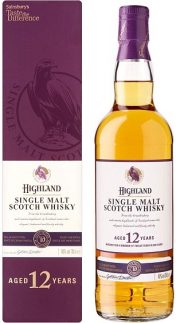
Sainsbury’s Taste the Difference Single Malt Highland Whisky

Getting the least ‘fashionable’ single malt out of the way first, this excellent value standby malt is sourced from Iain McLeod Distillers, otherwise known as the owners of the Glengoyne distillery. You can expect rich flavours of vanilla fudge and fruit cake, with dark chocolate and orange notes and a gentle aroma of smoke to finish. This, alongside Aldi’s fantastic Glen Marnoch (Speyside) range, should be the go-to for Christmas supermarket drams.


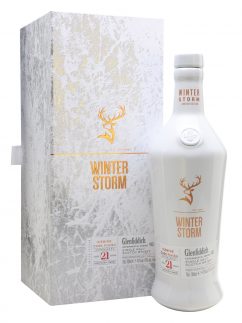
Glenfiddich 21 Year Old Winter Storm

We’ll get the curveball out of the way early. At the hefty price point of £199, and one of Glenfiddich’s admirable ‘Experimental’ series, Winter Storm is one of the strangest drams on our list. ‘Winter Storm’ is aged in Canadian icewine casks, allowing the whisky to adopt qualities of the product without being overwhelmed by it.

Despite the title, you can expect notes of Turkish delight and tropical fruits, with hints of tropical lychee, to form an extra layer of sweetness from the wine-cask. One of the more interesting developments to come out of Glenfiddich for time, we reckon this would make a beautiful, if pricey Xmas present to that well-loved whisky connoisseur.

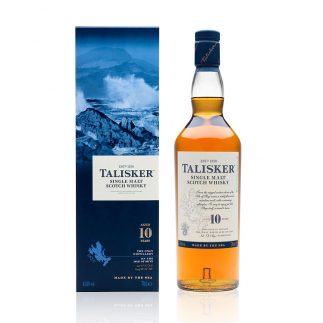
Talisker 10 Year Old

Returning to more ‘standard’ fare in terms of flavour and price, but with no reduction in drama or flavour, Skye’s Talisker is one of the most affordable on our list. A thick smokey flavour, combined with Talisker’s infamous sea-side breeze aroma are combined with subtle suggestions of fruits and peppery elements to combine for a long, satisfying finish. A very intimidating blend, and not for the faint of heart.


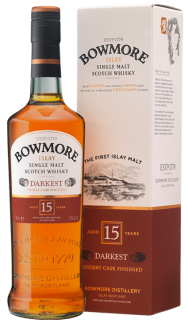
Bowmore Darkest 15 Year Whisky

Heading further into the darker side of the spectrum, this is a peaty addition from Islay’s Bowmore distillery, with a couple of interesting features added for good measure. Matured in sherry casks to give a nice sherry presence in the nose mixed with exotic spices. Featuring a thick, rich palate, the Bowmore darkest excels at those deep flavours, mixing caramel and syrup with a lighter butterscotch foundation, leading through to a spicey, sherry-flavoured finish.


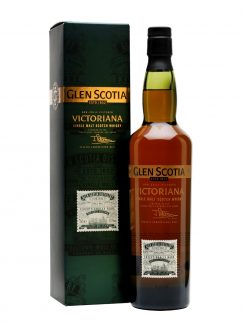
Glen Scotia Victoriana

From Campbeltown comes Glen Scotia’s Victoriana Edition. A gorgeous oaky aroma is easily detected from the nose, mixed neatly with fruity, sugary flavours of raisins and cherries, along with a hint of orange. When it gets down to taste, we find a nice, smooth palate with consistent vanilla, caramel and raisins. This gives way to a long finish with cherries, vanilla and a touch of leather. Considering its strong ABV of 51.5%, the Victoriana is so smooth as to make it one of the easiest drinkers on this list, one sure to warm the cockles of your heart during the Christmas season.

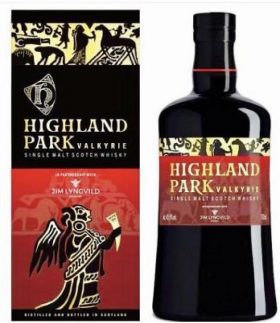
Highland Park Valkyrie

For those wanting to buy their loved ones something to warm up with on Christmas day, the Highland Park is a well-priced entry into Highland Park’s new viking series. Featuring a sweet and aromatic nose combining aromas of nutmeg, and egg custard with a wisp of sweet spice and stewed fruit, the Valkyrie most expertly excels in matching Scotland’s exotic viking past with its flavours. A good weight and good mouthfeel from the get-go, well balanced by ripe fruit, only further enhanced by nutmeg, clove and ginger flavours. Sweet smoke is kept on the backburner, only occasionally surfacing and never dominating. Its finish is a battleground in which rich fruit and spice vie for domination with neither side winning out.


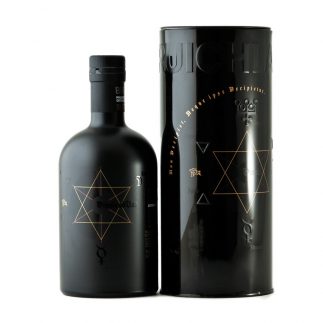
Bruichladdich Black Art 5.1 24 Year Old

Bruichladdich Distillery, located on the shores of Islay’s Loch Indaal, Bruichladdich have firmly decided to mark their territory on Scotch whisky’s dark side with the Black Art. The Black Art was new owner Adam Hannett’s first chance to wow whisky lovers with a new recipe under his tenure as head distiller. With a strange and dark nose, aromas of baby coconut mixed with dried fruits ala fig, dates and apricots can be detected in a powerful and dark aromatic mix, with vanilla bean, oak ester, dark chocolate, and brown sugar lingering up in the rafters. The palate is rough, mixing bitter oak tannins from European casks with peach, nectarines, mango and lemon. Mixing these yet further, American oak flavours hang back, with tones of honeycomb, marshmallow nougat and baker’s coconut being present to make for a bewildering but beautiful mix of flavours. Although at the pricier end of the spectrum, the Black Art is sure to confound and please any whisky aficionado who it makes it way to this christmas.

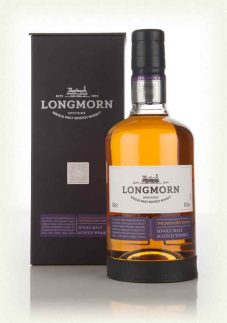
Longmorn, The Distiller’s Choice

Aimed at the ‘lower’ end of the market, the Longmorn makes a fantastic choice for the more budget-minded this Christmas. Aged in a wonderful combination of hogsheads, sherry casks and bourbon barrels, this is a whisky that smells like…whisky. Toffee notes abound, dried nuts and oakey and hessian hints. The Longmorn is easy on the palate, with just enough spice so as to keep things exotic enough, with a gorgeous hint of caramelly sweetness and a touch of marmalade for the finish, lingering just long enough to give way to barley/grassy notes.

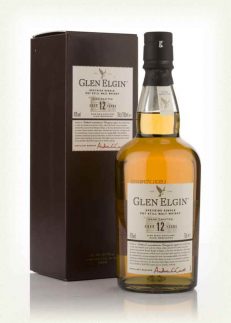
Glen Elgin 12, 12 Year Old

Continuing our trend of whiskys on the more affordable end of the spectrum, few whiskies can claim to be both wonderful and affordable. The underrepresented, underrated Glen Elgin 12 has consistently stayed under the radar of many whisky connoisseurs, but its affordability makes it an excellent christmas gift, and its flavour a great dram to relax to. The nose is relatively closed at first, with simple sherry and fruits, giving way to honey, butter, pears, apples, bananas and all manner of summery, fruity flavours. The palate is thick, rich, mouth-coating. Tastes of caramel and indistinct sherry dominate, with other flavours of roasted malt, butter, bran and apples coming to the fore at various intervals. These give way to a much more roasted finish, combining elements of latte, butter, rich malt and molasses and honey. You may want to ditch your first impressions of the Glen Elgin 12. It’s not a ‘wow’-er, but it has a Speyside charm, with a thick, juicy texture and a dependable, rich taste far above its price.

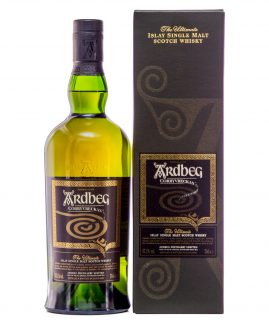
Ardbeg Corryvreckan

Ardbeg are consistently fantastic across the board, with drams such as Uigeadail worthy of credit also. The Corryvreckan is perfect for Winter in that it represents a throat-grabbing, peaty, medicinal taste that remains endlessly evocative of the wet and windy Scottish winter, evoking images of standing on the fog-laden shorelines of the west coast and islands, with only a touch of sweetness lightening the mix. Peat and a sherry sweetness move out first on the nose, with sweet and savoury notes lingering in the background, tasting of vanilla, leather, smoked meat and a touch of baklava. On the palate, peat and a sticky sweetness slide across the tongue, leaving notes of sherry, dates and figs, along with touches of vanilla with a hard-to-place, dark, earthy tone. Water tends to kick up the dram’s spicy side. The finish is a long, slow fade of peat, dark fruit and leather, with touches of cinnamon rising to the fore.

We hope that these entries inspire you to find the perfect gift for the whisky aficionados in your life! As always, you will find our dedicated and accredited Whisky Ambassador courses taking place throughout December and the new year.

View our list of upcoming courses for more details.