The Whisky Ambassador Guide: Absinthe

Driven by Lost Loch’s production of the first “Scottish absinthe” “Murmican” late last year,  some wondered what had driven the company to produce such an outdated spirit, particularly one with such a dramatic and notorious past. Moreover, surprisingly few self-designated spirits connoisseurs know anything at all about one of Europe’s classic spirits, especially considering its reputation for both opulence and the darker side of hedonism. Despite modern research and its disproving of this ‘dangerous’ name, we still see little consumption of gin and whisky’s more mysterious cousin. However, despite the dark exterior, we’re going to delve a little deeper into the character and history of the spirit, which has been largely banned until very recently. For those seeking adventure into what they drink, absinthe may well be the perfect tipple.

‘Murmican,’ named after a wicked traditional Scots fairy and modelled closely after the traditional Swiss recipe, will hopefully provide a welcome kick up the exterior for the potential of absinthe as a potential sales force, particularly as a result of its similarity in production to gin, and the wealth of gin distilleries that Scotland nowadays has in abundance. Made with grande wormwood, as in traditional absinthe, as well as green aniseed, fennel seed, star anise, bramble leaves and heather flower, ‘Murmican’ hopes to simultaneously harken back to the spirit of modernism rife throughout 19th century absinthe and introduce some Scottish spirit into the drink, pardon the pun.
Photography by Brendan Lim

Photograph by Brendan Lim – ©
Link in Photo- Unedited

So, What is Absinthe? 

For most countries, there’s little to no legal definition of absinthe, meaning that producers are often able to sell products that diverge quite drastically from the ‘traditional’ methods of production and label them absinthe.

Nonetheless, two distinct ‘traditional’ processes exist for producing absinthe.

The first, via distillation, is similar to gin, in that Botanicals are macerated in distilled base alcohol before re-distillation to remove bitter bitter ingredients and principles. These give individual forms of absinthe their desired complexity and nature. This distillate, when it leaves the still, averages at about 72% ABV, which can be reduced and bottled off as ‘la blanche’ or la bleue absinthe.
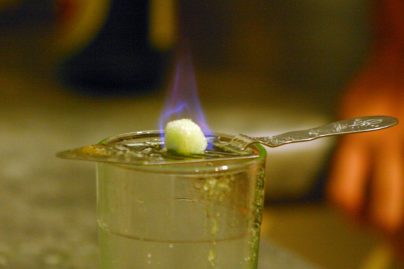
Photography by Flickr user ‘scarymonkeyshow’ ©
Link in Photo- Unedited

‘Traditional’ forms of absinthe, however, obtain a green colour from the chlorophyll contained within the whole herbs that are added typically during secondary maceration. These plants/herbs are likely to be petite wormwood, hyssop and melissa, amongst others. These steps provide the natural complexity typified by traditional absinthe, whilst the chlorophyll imparted by these plants acts similarly to tannins imparted to wine and brown liquors, including whisky. Like whisky, absinthe is said to increase in quality with age.

The second form of producing absinthe is via a cold-mix process, in a similar manner to how compound gin is made. This involves the simple blending of essential herbs and flavours as well as artificial colouring in simple commercial alcohol, in a manner similar to most flavoured vodkas.

History

Medicinal use of wormwood, the dominant and essential ingredient in absinthe, as juniper is with gin, dates all the way back to ancient Egypt, with wormwood extract being used. There was also likely a wormwood-flavoured wine (“absinthites oinos”) being served in ancient Greece.

The first use of wormwood in the more modern sense of distillation, containing green anise and fennel, dates back to the 18th century. By popular legend, Dr. Pierre Ordinaire, a French doctor in Couvet, Switzerland, created absinthe as an all-purpose medical remedy, later to be passed onto the Henriod sisters of Couvet, who continued to sell absinthe as a medicinal elixir. ‘Major Dubied,’ having acquired the formula from the sisters, was the first to open the first absinthe distillery, building a second distillery in Pontarlier, France.
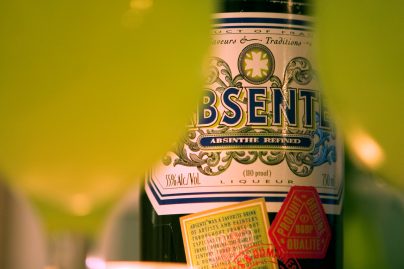
Photograph by Flickr user ‘jb’ ©
Link in Photo- Unedited

From here, its popularity steadily grew until it was given to French troops as a malaria preventative, bringing the drink back home with them. Eventually, absinthe’s popularity grew enough with bars, bistros, cafes and cabarets that 5pm came to be known as ‘the green hour,’ owing to the drink’s light green complexion. By 1910, French citizens of all classes and social stature were drinking 36 million litres of absinthe a year. The drink was also exported to other countries, and became similarly popular in Spain, the United Kingdom, the United States and the Czech Republic.

Fall from Grace

Unfortunately, it was absinthe’s growing popularity that forged its reputation as fomenting violent crimes and behavioural/social disorder. Edgar Degas 1876 painting L’Absinthe helped to reinforce the reputation of Absinthe drinkers ‘sodden and benumbed.’ It was around this period that Absinthe developed its reputation as being a hallucinogenic and leaving drinkers worse off than other spirits, with various psychiatrists claiming that heavy drinkers frequently experienced rapid bouts of hallucinations, including the notable absinthe opponent Valentin Magnan.
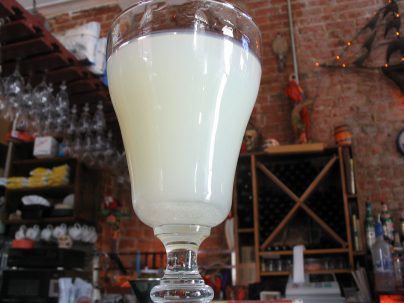
Photography by Flickr user ‘Tim © Link in Photo- Unedited

By 1905, Jean Lanfray, a Swiss farmer murdered his family and attempted to take his own life after drinking absinthe. Despite Jean being an alcoholic who had also consumed vast quantities of wine and brandy, absinthe was held as the culprit, and by referendum in 1908, the banning of absinthe was written into the Swiss constitution. Many countries followed suit, with the Netherlands following in 1909, the United States in 1912, and France in 1914, although notably, Spain and the United Kingdom did not follow suit. However, in most countries, both sales and consumption of absinthe fell rapidly, leading to the quiet death of absinthe production by the 1960s across Europe.
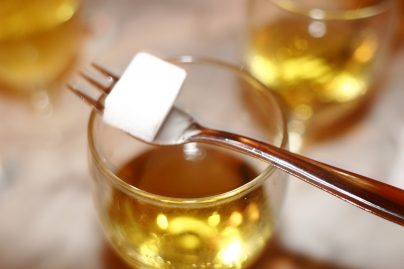
Photography by Jared Kelly © Link in Photo- Unedited

Revival

Due to the lack of a ban in the UK, Czech absinthe began to be imported there in the 1990s. Whilst its popularity grew, many absinthe connoisseurs considered these ‘bohemian’ absinthes as of inferior quality. However, by 2000 La Fée Absinthe began the first producers in France since 1914. Originally designed for export, since the reversal of the ban in 2011, Absinthe has been available in France as in many other nations across Europe, largely as a result of the ban’s incompatibility with the European single market.

Consequently, Switzerland and France have resumed producing quantities of absinthe, and in 2007, French company ‘Lucid’ became the first company to legally export absinthe to the United States since 1912. In this light, Lost Loch’s creation of ‘Murmican,’ couldn’t come sooner, hopefully helping to bolster and charter a spirit with an unusual history, both mysterious and sublime. With gin undergoing such a drastic renaissance in Scotland, it can only be so long until unusual spirits such as Absinthe make use of Scotland’s vast spirit-making potential. Indeed, for those who seek to walk down the path less wandered, Absinthe may just be the prime choice as an avenue alongside more traditional fare such as whisky or gin.

For more information on the processes behind distilling and producing some of your favourite beverages, take one of our courses. Our whisky ambassador courses can be found here, and our Gin Ambassador courses are coming to worldwide audiences soon!

Words by Liam Harrison
The Whisky Ambassador Guide to English Whisky

With the resurgent worldwide interest in Scotch, our southern neighbours’ interest in whisky sadly often doesn’t get a look in. However, England does have a history of producing single malt, at least until 1905 with the closure of Lea Valley distillery.

However, it wasn’t until 2003 that St. Austell Brewery & Healey Cyder Farm announced the first production of a “Cornish” single malt “Whiskey.” Since then, numerous distilleries started up, and, as of 2017, have served as a welcome addition to the UK spirits trade.

In the spirit of Saint George’s Day, we’ve put together a list of some of the staples of the Whisky business in England.


Spirit of Yorkshire Distillery

Tasked with creating Yorkshire’s first single malt Whisky, the Spirit of Yorkshire Distillery has sought to blend the traditions and techniques of Scotch, amending them with use of locally, sustainably produced elements. All barley and spring water used in the production of Spirit of Yorkshire have been grown and sourced from the local family farm. Featuring some of the largest copper stills outside of Scotland, production was started in May 2016.

As in Scotland, spirit produced has to be matured for three years to qualify as Whisky. However, whilst the production hasn’t quite reached the legal qualification for Whisky, various formulations of Spirit of Yorkshire’s maturing spirit is available for purchase until that date. As Yorkshire is a large and disparate area with its own vibrant culture and heritage, it’s an exciting wait to sample Yorkshire’s first whisky.

Cooper King Distillery

Similarly located ten miles outside of York, Cooper King took influence from a very different source to Scotland: Tasmania. Having visited eight distilleries across Tasmania, Abbie & Chris, the distillery founders, decided to move the innovative and distinct approaches of the antipodeans back to England and set up Cooper King in their light. As such, the Tasmania-sourced stills are unlike any other in Europe.

Nonetheless, Cooper King’s base is firmly in Yorkshire, being named after Chris’ great-great grandfather, who documented Chris’ ties to Yorkshire. All Barley is similarly 100% sourced from Yorkshire. With an emphasis on taking a green and sustainable approach, Cooper King’s plans are to run on 100% green energy, planting a tree for every bottle sold and planting a woodland and orchard on site.

Cooper King’s whisky is still maturing, but their gin will be available to all founders very soon, within Spring 2018. We for one can’t wait to sample their produce!

Cotswolds Distillery

Located in the beautiful North Cotswolds, Cotswolds Distillery was formed from a desire to honour the local heritage, using local raw materials, traditional distillery techniques and create a home for English Whisky. To this end, the Distillery is located in a village, with all staff members living nearby, the neighbours helping with the bottling and fruit peeling, and the spent grains from the mash going to feed the local cows.

Whilst Cotswold Distillery produces everything from Gin to Absinthe, its won particular praise for its own Single Malt Whisky. A rich, fruity and easily drinkable whisky, the Cotswold Single Malt has flavours of tannin-rich malts and dark, spicy fruit, tasting a little like marmalade before finishing in a treacle-esque, long, resinous finish. Cotswold have also filled a variety of different casks, planning to release different bottlings during the coming months and years.

Isle of Wight Distillery

Currently the only distillery on the Isle of Wight, founders Xavier and Conrad wanted to express the unique properties of the Island into their spirits. All spirits are cut with local spring water to deliver layered complexity and smooth delivery characteristic of the island way of life.

IoL Distillery have been laying down Whisky since 2015 with Isle of Wight barley, with the spirit left to mature in both Bourbon and white wine casks before being moved to either sherry, madeira, cognac, port or even peated whisky casks. Importantly, whilst their whisky isn’t available commercially, their gin produce is, and a number of stockists on the island and throughout mainland UK now stock them.

Hicks & Healeys Distillery

Whilst a Cider farm doesn’t sound like the best place to find whisky, company founder Kay and David were the first to begin selling English Whisky, notably producing it in “Cornwall’s first distillery in 300 years.” Supposedly, every bottle produced by the Cornish distillers will vary slightly. Their whisky, at seven years old, started selling in 2011, also advertised as England’s oldest whisky.

For a list of the locations you can take the Whisky Ambassador course in England, click here.


International Whisky Day

It’s our favourite day of the year- International Whisky Day!

Wherever you are today, you can take a minute or two to toast your own special experiences with ‘Scotland in a glass.’®

Today, we’re using the occasion to celebrate the changing face of whisky, and help break down age-old stereotypes of who and how you should enjoy whisky!

For every amazing person we’ve met throughout the Whisky world, we’ve had someone, quizzical look in tow, reinforce the myth of whisky being a ‘man’s drink’ and question our status as members of the Whisky family. Instead, we raise our glass to celebrating the rich diversity of whisky drinkers worldwide, to embracing change in the whisky world, and to celebrating #ourwhisky.

Don’t wait for change, join our Whisky Ambassador family today.

Whisky Ambassador Guide to Frankfurt

Despite German-made whisky’s late start, Whisky in Germany is still a relatively recent phenomenon. Having only started in the last 30 years, the fan base of the spirit is still fairly large. There are currently 23 distilleries in Germany producing whisky in a wide variety of styles: single malts, blends, and bourbon styles. Apart from national distilleries, there is also great interest in the traditional production regions, especially in Scotland. More recently, Frankfurt has evolved to become a primary German hub for “Uisge Beatha“. Aside from The Whisky Ambassador training courses taking place in Frankfurt, there are plenty more whisky-related things to do in and around town.

InterWhisky Exhibition

InterWhisky is a 3 day event being held from 30th November to 2nd December 2018 in the fabulous Gesellschaftshaus Palmengarten venue in Frankfurt, touted as being a must-see for whisky beginners and pros. Both Whisky giants and ever smaller, independent distilleries from home and abroad come to Frankfurt for the annual family reunion.

In 2016 35 exhibitors presented their companies and products at InterWhisky. 8,000 visitors came to discover the latest trends and innovations of the industry. The main Whiskies exhibited will be from Scotland, Ireland, Canada and USA, as well as some German whisky distilleries, companies, touristic associations, whisky accessories. Welcomed are trade visitors as well as the public.

Whisky Shops

Whisky Spirits – Wallstraße 23, 60594 Frankfurt am Main – http://www.whiskyspirits.de

Whisky for Life – Fahrgasse 6, 60311 Frankfurt am Main – http://www.whiskyforlife.de

Die Whisky Kiste – Berliner Str. 39, 60311 Frankfurt am Main – http://www.diewhiskykiste.de

Looking for some of the finest whiskies available in Germany? Look no further than these Frankfurt stores. They all have an exquisite selection of Scotch Whiskies, Bourbons, as well as other international and local Whiskies. Due to the staff’s combined decades long professional experience and passionate interest in the production and tradition of Scotland’s national drink, you can be sure to get the best consulting whether you are new to the world of whisky or already a seasoned whisky veteran. Both Whisky Spirits and Whisky for life offer tastings and workshops. For more information please visit their respective websites.

Whesskey Distillery

Only an hour’s drive outside of Frankfurt you find the distillery Höhler, produces of exquisite German whisky since 2001. “Whesskey” is a play on the word whisky and Hessen, the state in which it is produced. Whesskey has subsequently gone on to be not only one of the most popular whiskies in Germany but has also built up a reputation internationally. Well known whisky critic Jim Murray named their first whisky “Best Whisky of the European mainland” in 2004. In addition, they also offer regular tastings and guided distillery tours. Within only an hour’s drive of Frankfurt, Höhler distillery  is a perfect stop to complement our upcoming Whisky Ambassador Frankfurt course. You’ll find more information on Whesskey’s history and the process behind production at: https://www.brennerei-hoehler.de.

Photo by Wikipedia user: ‘Hammersbach’ ©
Link in Photo- Unedited

TWA’s Best Distilleries of Speyside: Scotland’s Whisky Triangle

Photography by Iain Hinchcliffe- Link in Photo

Scotch whisky has changed a lot in recent years, and, as has been given considerable coverage, whisky’s geographical origins within Scotland have started to matter less and less to the nature of the whisky itself. Speyside whiskies are no exception to this trend.

Whilst whiskies from what is by far Scotland’s most prolific whisky producing area have always been amongst Scotland’s lightest and ‘sweetest’ single malts, more recent expressions are at the forefront of Scotland’s lightest drams. Lacking the peat of Islay, the salinity and ocean breeze of the islands or the fruity, perfumed nature of Lowland whiskies, Speyside are sweeter; more subtle. This is in stark contrast to traditional Speyside fare, which would be nowadays much more similar to a Highland malt: robust and peated. The sweet, un-peated nature of modern-day Speyside whisky owes much to the area’s low mineral content. Located next to the Grampians, the area’s granite allowing for some of Scotland’s softest waters, mixed with very few areas with significant amounts of peat.

Moving on from the technical aspects, with over half of Scotland’s distilleries tucked into its borders, Speyside more importantly makes some of Scotland’s damn finest and most famous whiskies. For those pursuing the softer side of whisky above Islay’s gut-punch of TCP aromas, we’ve put together the best choices for taking your tour around the Jewel in Scotland’s whisky crown, well ahead of the exciting annual Spirit of Speyside festival taking place May 3rd-7th, an event that’s sure to bring much of the spotlight onto Scotland’s most prolific Whisky region.


Glenfiddich

At the risk of sounding cliché, Glenfiddich is one of the undisputed giants within Scotch whisky. No matter what bar you’re in the world, you’re bound to see at least one bottle at Glenfiddich. It’s this popularity and pervasiveness that’s turned up a lot of noses in the whisky world, but Glenfiddich themselves have some wonderful drams, from the gorgeous 15 years old to the pricey 21 year old Gran Reserva. Moreover, Glenfiddich offer tours of the epicentre of Scotch whisky in Dufftown from just £10, which includes a stop off in one of the most impressive distillery tours available, only topped off by the lovely ruins of Balvenie Castle. Importantly, Glenfiddich are also the only distillery to offer a tour detailing the whole process, all the way from barley to bar.

Macallan

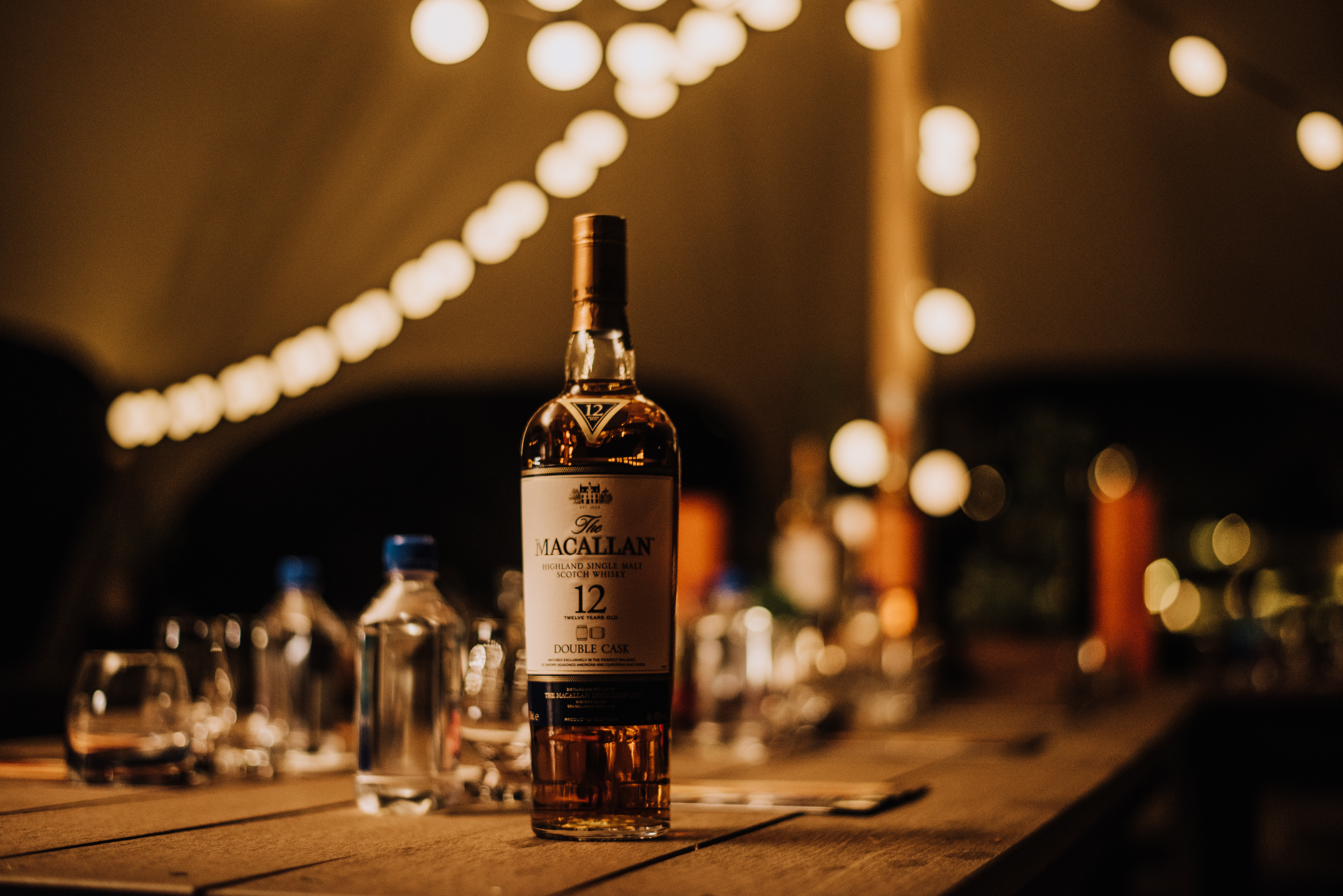
Macallan distillery deserves a spot for being one of the foremost whiskies that encompasses what the ‘Speyside’ taste is all about: Light, florally, mellow and smooth. Their sherry oak and fine oak are both lovely, mixing in citrus-ey spices and toffee notes, and you can expect plenty of this on the Macallan tour. The distillery was only recently renovated and offers one of the finest you can have in Speyside, prices starting from around £15 per person. That being said, with one of the finest distillery shops in Speyside, you’ll be inclined to spend much more at the tour’s end…

Cardhu

Located in the ‘heart of Speyside,’ the Cardhu has a unique history as the only distillery started by women. Its light-natured 12 year old is an excellent starter, with the 15 and 18 year olds offering something more complex. Nonetheless, Cardhu’s signature is a sweet and spicy mix, with vanilla at the forefront in the tasting notes. Of all the whiskies to try, the 18 year old in particular is one of Speyside’s smoothest, but the others aren’t to be sniffed at. Cardhu offer a £9 tour, but others can be as low as £5, Cardhu is one of Speyside’s smallest distilleries, but also one of its mightiest.

Glenlivet

Licensed in 1824 with the distillery founded in 1858, Glenlivet gives standard, small-group distillery tours every 20 minutes, which last 45 minutes and are, most importantly, free! Other tours come recommended, however, and start at £35pp. These should be pre-booked however, as they’re likely to fill up fast on the day. On these tours, you’re able to fill your own bottle straight from the cask, before corking, capping and labelling it.


Aberlour

Of all the whiskies distilleries in Speyside, one in particular that can brag of the fervour and professionalism of its tour-guides, is Aberlour. Aberlour distillery sits in a wooded hollow beside the River Lour, and it is one of the most attractive distilleries in Speyside. During the tour, you get a chance to taste the “sweet worts”, the beer-like liquid distilled to produce whisky spirit.

You’ll spend the last hour of the tour tasting 5 different “expressions” of the Aberlour Malt in the tasting room, as well as some of the pure spirit taken direct from the still. If that still isn’t enough, the Mash Tun pub is also nearby, which will be sure to make you merry if the tour hasn’t done enough.

Glenfarclas

To this day, Glenfarclas is one of very few remaining independent, family owned distilleries still managed by the family itself. To this end, their tour does its best to put across a rich, intimate and personal family history of the distillery and how the business evolved.

Their range of traditional Speyside single malts includes the 10, 15, 21, 25, 30, and 40 years old, all renowned for a full bodied, smooth and heavily sherried style. The tasting room features beautiful wood panelling salvaged from a nearby sunken ship, with the room being designed out of the ship itself. That being said, there’s little glam to the tour, which just lets the history and location of Glenfarclas do the talking. Moreover, such a rich history is only furthered by some of the best tour guides in the business, whose warmth and hospitality is famed amongst whisky distilleries.

Benromach

Benromach have been making Benromach since 1898 using the spring water from the nearby Romach Hills. The tour itself includes almost every part of the whisky production process as their friendly tour guides show you around what surely must be one of Scotland’s smallest bobby mills, followed by the mash tun, wooden washbacks, copper stills and the warehouses. Benromach certainly pride themselves on the small scale of their setup, with a small, manned and un-computer-led production process. Better still, like Glenfarclas pride themselves on having some of the friendliest and warmest tour guides in the business, and for both a warm welcome and some of the best Whisky in speyside, we recommend the Benromach on any tour of Speyside.


The World’s Best Whisky Bars for Beginners… According to our Whisky Ambassadors

For those serious whisky drinkers and connoisseurs (see: our Whisky Ambassadors), it’s easy to take having a sound knowledge of good quality whisky for granted (and also spending all our money on them…) However, it’s easy to forget what it was like not knowing your Islay from your Speyside, your Highlands from your Lowlands, your peat smoke from your bourbon.

Because of Scotch’s surging popularity with an increasingly wide demographic, and a subsequent loss of its oft-frightening relegation to lofty whisky buffs and self-appointed experts, we at the Whisky Ambassador believe there’s no better time to acquaint yourselves with some of the finest whisky bars around. To this end, we asked some of our Whisky ambassadors for some of the best bars that helped cement their appreciation for Scotland’s national drink.

Note: This isn’t, of course, a comprehensive list, there’s plenty more bars that our Whisky Ambassadors know, love, and run.


Scotland

The Pot Still, Glasgow

The Pot Still, Glasgow

The Pot Still, Glasgow


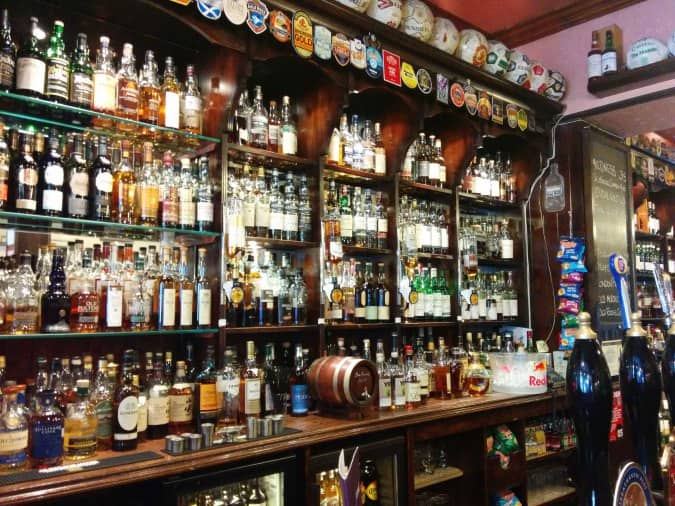
Starting with our very dear home city, the Pot Still is simply put, a Glasgow institution, and a strong contender for Glasgow’s best stocked and most beloved Whisky bar. In operation in some form since 1861, with over 700 whiskies from all across the world, there’s a few lifetimes’ supply of the finest, characterful Whisky stock here, whilst the Pot Still’s incredibly knowledgeable and friendly bar staff are more than happy to make recommendations and answer any questions you have. Central to any Scottish whisky institution, there’s a fantastically friendly atmosphere at the still, with an ever-changing selection of newcomers and regulars, experts and novices, all striking up new friendships with people all across the world, spreading prized whisky knowledge and sharing good-quality drams.

Bon Accord, Glasgow

Bon Accord, Glasgow

Bon Accord, Glasgow


The Bon Accord is another fantastic entry point for those less well-acquainted with Scotland in a glass. Selling more than 400 whiskies from its gantry and 800 different real ales per year, the Bon Accord is well prepared for the discerning tastebuds of newbie and veteran alike. Served by friendly and well-versed staff, the Bon Accord has helped to define a Glasgow whisky bar. Home to the Bon Accord Whisky society, the Bon Accord is an infamous Glasgow institution perfect for taking a first dive into our wonderful world of whisky. 

You can view a selection of their finest whiskies at their shop here.

The Piper, Glasgow

Another vital introductory Whisky bar based in Glasgow, the Piper serves up over 150 whiskies from all across Scotland. More importantly, however, it’s a fantastic entry point to Scotch, hosting regular Whisky tasty events, where they serve up rare and desirable whiskies. Moreover, with friendly and knowledgeable staff, they’re easily able to make recommendations to either seasoned amateurs or relative novices. You can view a selection of their whiskies here. 

The Piper, Glasgow

The Piper, Glasgow

Usquabae, Edinburgh

Self-appointed ambassadors of the ‘spiritual’ side of whisky as a “saintly and noble” quest, Edinburgh’s Usquabae have one of Scotland’s largest whisky selections. Offering up premium quality drams to tourists from all around the world, Usquabae’s staff have more than enough intimate knowledge of each Whisky’s individual character so as to satiate the tastes of foreigners and Scots alike. The Usquabae’s relaxed, jovial atmosphere will undoubtedly seal the deal for those from abroad looking for the authentic whisky experience.


Usquabae, Edinburgh

Usquabae, Edinburgh

CASC, Aberdeen

A recent addition to Aberdeen, CASC has quickly become one of Aberdeen’s must-see nightlife spots, mixing a naturally-occurring friendly and warm atmosphere with a cosy interior. With an incredible selection of beer, whisky AND cigars, and staff members who really know their way around all, CASC is undeniably the must-see spot for those wishing to dip their toes into whisky (not literally…) and experience some good old Aberdonian hospitality at the same time.

CASC, Aberdeen

CASC, Aberdeen


France

Golden Promise, Paris

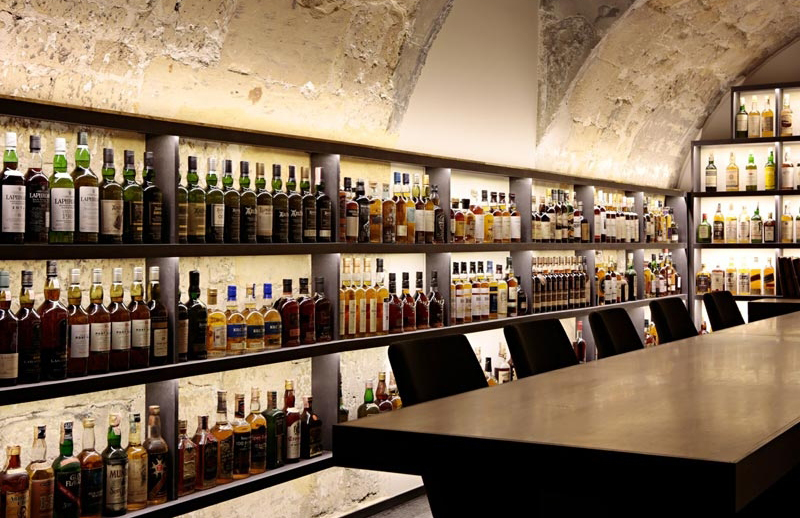
One of Paris’ swankiest whisky offerings, Golden Promise nonetheless lives up to every inch of its fantastical origins. Hidden away in Paris’ 2nd arrondissement as a ring-to-enter bar below La Maison du Sake, the Golden Promise offers 200 whiskies at the bar and a further 800 whiskies in its gallery. With prices ranging from €10 to €290 for a glass, it’s on the expensive side, but the love and expertise of one of Paris’ finest sommeliers and ‘whisky psychics’ François Piriou means that anybody who ventures into Golden Promise is sure to find something that suits their appetite, experienced or not.

Golden Promise, Paris

Golden Promise, Paris


The Auld Alliance, Paris

In stark contrast to Golden Promise, and aptly named after the centuries long military/trade alliance between Scotland and France, the Auld Alliance is a homely Scottish-themed pub dedicated to recreating and appreciating Scottish whisky and cuisine. Featuring an impressive selection of whiskies from all across Scotland, the Auld Alliance functions as a hearty injection of Scot spirit into downtown Paris, expertly emulating the character of your traditional Scottish pub as well as its spirits. The Auld Alliance’s website is also a fun and interesting history lesson on the continued relationship between Scotland and France.

The Auld Alliance, Paris

The Auld Alliance, Paris

England

Boisdale of Canary Wharf, London

Styling itself the “embassy of Highland hospitality,” the Boisdale is the premier institution for Scotch whisky connoisseurs and those new to the game alike. Boasting one of the biggest and best Scotch collections in the entire world, the Boisdale nonetheless serves English, Japanese and Welsh whiskies too. However, make no mistake, the Boisdale is quintessentially Scottish, with tartan seating, crimson red walls and a warm and friendly atmosphere to turn even the furthest fliers into locals in no time. There’s even a heated terrace for those who’d like to combine their whiskies with a nice cigar.

Boisdale of Canary Wharf, London

Boisdale of Canary Wharf, London


Switzerland

Widder Bar & Kitchen, Zurich

Though most of the bars in Zurich are cocktail bars offering a range of spirits, the Widder is one of only few with a world-class reputation for its whisky collection, having over 250 single malts to choose from. Bar Staff are knowledgeable on their Scotch in particular, making this a fantastic spot to visit if you’re a newcomer to whisky as well as a similarly world-class whisky amateur. Just be wary of the spooky statues and old wooden decor as they’re capable of giving you a fright!

Widder Bar & Kitchen, Zurich

Widder Bar & Kitchen, Zurich


Latvia

Brevings Whisky Bar, Riga

The bar with likely the best selection of whisky in the Baltic states, Brevings whisky bar came highly recommended by our ambassadors. Featuring a healthy mix of both official and independent bottlings, Brevings has done much to import the homegrown Scottish experience of drinking Scotch for patrons to enjoy alongside the ambience of Old Riga. Despite serving a good selection of draught beers, Brevings’ is an excellent spot for those wanting a taste of whisky in Riga, offering their stellar selection straight out of Glencairn glasses.

Brevings Whisky Bar, Riga

Brevings Whisky Bar, Riga


Canada

The Dam Pub, Thornbury, ON

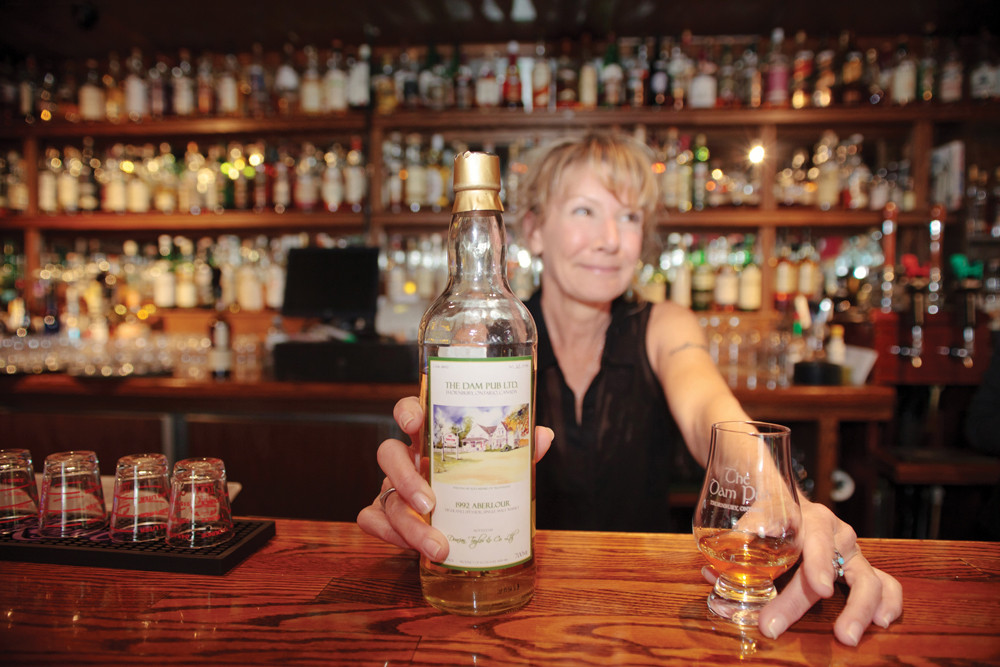
Canada’s long had a love affair with Scotch whisky, but few establishments can match Ontario’s Dam Gastropub for its incredible range of over 800 whiskies. Situated in a quaint 1870s house, Whisky Ambassador Stephanie can provide spot-on Scotch recommendations good enough to attract whisky connoisseurs from all across Canada. Maintaining levels of wonderful rustic charm and ambience good enough to make Scotland proud, The Dam Pub is an excellent place to learn more of whisky and develop those Scotch tastebuds.

The Dam Pub, Thornbury

The Dam Pub, Thornbury


Buchanan’s Chop House & Whisky Bar, Calgary, AB

Despite a solid reputation for thick steaks and juicy burgers, one of Buchanan’s Chop House’s strongest assets is having one of Canada’s best Scotch selections. Its expensive-looking interior may cater to a suit-wearing crowd, but being designed for those sometimes un-versed in all of the palettes and flavours whisky has to offer, it deserves a place on our list, presenting a fantastic entry point for diving deep into ‘Scotland in a glass’ for beginners and amateurs alike.

Buchanan's Chop House & Whisky Bar

Buchanan’s Chop House & Whisky Bar


Singapore


The Single Cask

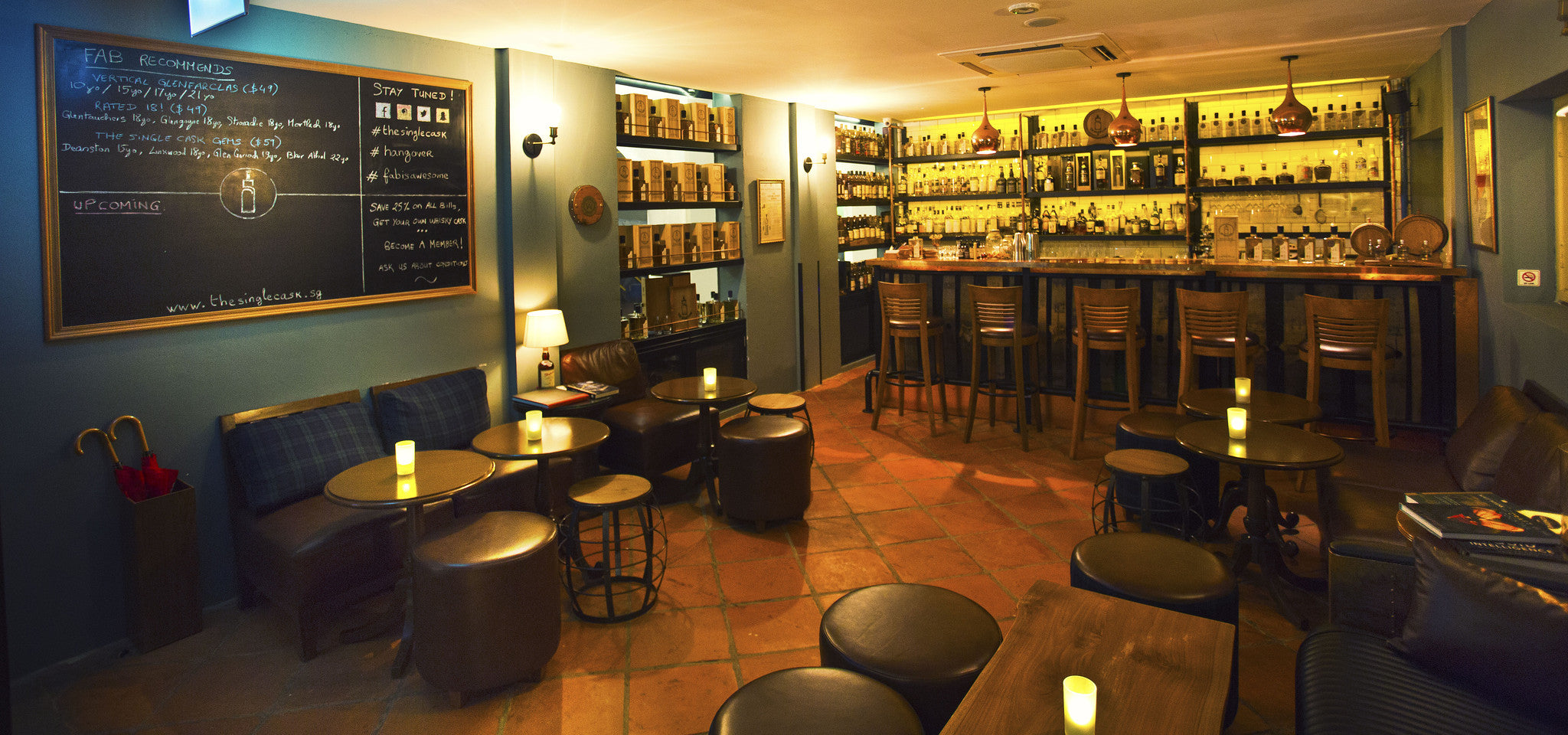
One part bar, one part whisky education, Singapore’s the Single Cask is committed to helping customers sample independent bottlers and lesser known distilleries with a marked emphasis on Scotch and single malts, carrying a whopping 300 single malts alone. It’s this emphasis on education and bringing small producers into focus that makes the Single Cask the perfect place to cut your chops on Scotland’s national drink whilst discovering hidden gems that even whisky experts may be unaware of.

The Single Cask, Singapore

The Single Cask, Singapore


The Auld Alliance, Singapore

The Auld Alliance, Singapore

The Auld Alliance, Singapore

Not to be confused with the Parisian pub of the same name, the Auld Alliance couldn’t be further from it. First of all: bottles. Bottles everywhere. This fancy Singapore joint stocks a ridiculous 1,350 varieties of whisky from Scotland, Ireland, USA, Japan, enough to warrant a 70 page booklet on the selection. But have no fear, for whisky novices, there’s plenty of friendly, helpful staff on hand to help you make your choice. Also of note is the glorious old-fashioned, upper-crust club decor, helping to ensure the Auld Alliance is a touching old-headed tribute to international whisky.


Hong Kong

The Angel's Share, Hong Kong

The Angel’s Share, Hong Kong

The Angel’s Share, Hong Kong

Described by Lifestyle Asia as ‘the ultimate destination for any whisky lover,’ the Angel’s share is distinguished from many other bars by its rotation of full-sized oak barrels. In addition, either for those less well-acquainted with Whisky or those wishing to expand their palette, the Angel’s share’s whisky flights of four different 25ml glasses of whisky is a fantastic addition, allowing patrons to sample their stunningly wide variety of world whiskies whilst facilitating the Angel’s share on our list.


Stockton, Hong Kong

Provided you can afford it, Stockton is one of Hong Kong’s best whisky bars. Inspired by the opulence of London in the 1890s, Stockton is a fashionable and bougie visit for any whisky fan. With fancy vintage furnishings and a ‘retro-vintage’ aesthetic, Stockton may put some whisky novices off, but beneath its gentleman’s club interior, is a warm and vibrant whisky bar with a wonderful selection of whiskies from Scotland, Ireland, America and Japan.

Stockton, Hong Kong

Stockton, Hong Kong

[Liam Harrison]


Is it beginning to look a lot like Aldi?

One of the most commonly asked questions we get is: “Dear Ambassador, where are those supermarket whiskies from and are they any good and should we risk losing our friends and our parking space at the the golf club over them?”. Well…as we got invited along to a press launch of the Christmas drinks for Aldi supermarkets recently, we can now begin to tell you!

The first real hurdle you face is that none of the PR people, nobody in the stores, none of the whisky companies and certainly none of the writers seem to know or want to discuss where supermarket brands originate from.  There is stll a fair amount of snobbery about it and when it comes down to discussing the supermarkets at the lower end of the market, it is worst still.

Aldi is a really interesting case in point, as we feel they have done a bit of a ‘Skoda’ recently and maybe deserve further investigation. Their great new tongue-in-cheek ads, along with the fact that some of their products are winning awards, well this means their position as ‘low rent’ supermarket is all but gone. I shop there (and Lidl too) so a chance to see a sneak preview of the their offering was too good to miss!

The venue for the tasting was good, The Scotch Malt Whisky Society in Edinburgh. Set the stall out and showed they are serious about being taken seriously.

So, down to what we tasted, whisky in particular. Is any of it any good? Let’s start with Glen Marnoch. Don’t look for the Distillery on a map, because there isn’t one. In fact, on my extensive travels around Scotland, I don’t remember ever seeing Glen Marnoch. I thought he was one of the Sex Pistols? Anyway,  ignore the name, it’s the dram inside that is the important bit. They have three Malts, all bottled at 40%ABV and all with nice  looking bits of packaging, which would stand up against most other drams.

The 12 year old  Single Malt old is nice but I sort of discounted this, due to the fact that over Christmas, it would be competing against some cut-price drams on the inevitable supermarket price wars deals, you see all over the media at this time of year. So, would I drink a 12 year old single malt from a made-up place over, say a bottle of Aberlour or Singleton, which might also be coming in at a good bit South of twenty quid? Er, no. There will be other distillery products at silly prices this Christmas, there always is. At eighteen pounds, this  probably might keep label snobs away from Glen Marnoch. Nothing wrong with the drink inside though.

Talking of twenty quid, this brings us round to their 18 year old. A fruity pineapple of a dram and at about half the price of similar age brands from actual distilleries, this was beginning to make more sense. Twenty quid, for an 18 year old, single malt, from Scotland? The Man from The Ambassador, he say…Yes!!!  Total bargain. Mix it with 15 year old Drambuie you can get now for an amazing Rusty Nail on Christmas Eve.

Next, their Glen Marnoch 24 year old Single Malt,  which I found a bit odd. It didn’t taste very old and as the label referred to ‘continuous distillation’ , I got  very confused. General feeling is that Malt whisky is distilled in pot stills, so I will leave this one for the geeks to argue over. Again for less than thirty pounds, an amazing price point, it’s just I had a few concerns over the taste. Not the unctuous mouth I’d expect for a quarter century old dram. I would rather drink the tasty 18 year old.

Finally, on their  dram front, they have a new blended Malt called Glen Orrin (he was in Beverley Hills 90210) and a 30 year-old traditional blend also named after this actor who I think might have been in ‘Dynasty’ as well.  The Blend is okay although we didn’t taste the blended malt, which I have heard is rather good. Again, great prices. Fifty quid for an ancient blend and TWELVE of our Earth pounds for a blended malt. Daft not to really.

So, to summarise, of course, there is better out there but some of these drams and their bonkers pricing are well worth buying, to drink, at Christmas. The Whisky Ambassador would say, ignore the snobs, buy with your eyes, taste stuff and buy the stuff you like the taste of. You are a free person, not a number and all that jazz.

There were other drinky poos highlights and the nice wine man from Scotland on Sunday ‘marked my card’ to tell me the goodies they have. So go in and erm…give it Aldi, but in no particular order, the 15 year old Guyana rum, the Grand Cru champers (my favourite of the entire day), the 30 year old Tawny Port and the Amarone are all very, very good. As well as this, there was a lot of ‘brand’  stuff at great prices. McEwans champion ale, Glen Moray malt, lots of other beers, stuff we knew, from other shelves.

So there you have it. The Whisky Ambassador saves your Christmas. No need to thank us. All you Waitrose and M&S drinks snobs out there, go at night, it will be dark…We are not saying shop exclusively anywhere but it is definitely good to see another retailer mixing things up!

We’ve just launched Ambassador Events and we’ll be certainly throwing a few of these drams into the mix at the consumer tasting events we do!

Whisky. It’s DEFINITELY not for girls. Except for everywhere else on Earth…

According to an article in the Scotsman newspaper recently, girls only represent a third of  Scotland’s whisky drinkers. It probably surprises you that it’s as much as that. It certainly surprised us. We trained an ALL-female class in St Andrews yesterday and only a couple of them were whisky ‘likers’, never mind lovers, so we’ll be conducting our own research on this, over the next few months.
However, things are changing and you’ll see from the above flyer for the Belladrum Festival, it’s happening quite quickly. The ‘Beverly Knight’ pitcher and one of Scotland’s most traditional and largest distilleries!
It’s not surprising really. In countries such as France and Russia, when it comes to whisky, the figures are much more an even split of men and woman. Emerging markets like Latin America and the Far East are in many cases, much more female biased. That’s maybe because whisky’s drunk in very different ways. This would also explain why the demand for blended Scotch whisky, worldwide is so high. In Scotland, we really, seriously, need to take the blinkers off.
After all, if YOU were offered ANY spirit basically in ‘shot’ form, be it tequila, rum, brandy or vodka to try,  for the very first time, you’d probably find it quite intimidating. Gin is another one. Imagine you got raw gin from someone, with nothing in it, at a party. You’d think this was very strange.  Gin on it’s own? No tonic? Eh?
So why is it that we regularly INSIST on letting people have their very first taste of Scotch whisky in this way? Maybe it’s time for Scotland to catch up with how the rest of the world serve our National drink?
  • In Russia, they don’t think it’s a big deal to drink diet Coke with ancient malts
  • In South America, whisky can often be a long drink with coconut milk, lemon and ice.
  • 60% of Chinese whisky drinkers are under 35 and drink blends (and fine malts) with sweet green tea and ice
  • In Bulgaria, Scotch Whisky  is a clubber’s, party drink, served with Red Bull-type drinks
  • In South Africa, whisky is popular in cocktails and clubby punches
  • In Australia, surf dudes also like it in mixed punches. It’s not a macho thing though, lots of girls love it
I we had a pound for every woman that we train who initially reckons Scotch whisky is ‘too strong’ or has a ‘medicine’ taste, we’d have a right few quid. The problem is that quite often, the first taste of whisky has maybe been as a young drinker, where a girl has got to sample something from a young Scotsman who has been extolling his manly virtues by imbibing a Laphroaig or a Bowmore, to demonstrate that the stronger and more peat laden the dram, the more of a sexual powerhouse he is. Because of this and similar scenarios, it’s ingrained in many a Scotswoman’s mind that whisky’s not for them. This is in spite of the facts that:
  • There are lots of sweet, exciting, unpeated Malts
  • Some of the ‘new makes’ (under 3 years old) whisky are GREAT in cocktails
  • The finishes available, using sweet white wines, burgundy and rum, lend Scotch a much more approachable taste
  • The female palate is actually superior for whisky nosing and tasting
  • Many of the World’s top distilleries are run by females, with their superior noses
  • Lots of women actually PREFER peaty whisky, our Whisky Ambassador graduate Bayile being one!
So the next time anyone tells you that whisky is not for girls, you can tell them that factually, this is actually is a load of boll..erm balderdash.
On a final note, there would be those who may argue that the LAST thing we want to see is lots of young girls drinking lots of cheap alcohol at festivals. We’d agree 100% and that’s why we’re educating young females, young men and basically everyone to choose our own National Drink. Fine Scotch is a thing of delicacy, to be sipped and savoured and our  Drink Less. Drink Better.  mantra can become all the more real! Exciting times!

The Changing face of Scotch Whisky

Beauty Before Age

Scotch Whisky is one of the UK’s top exports, accounting for about 25% of all food and drink exports. That’s a lot of drams, getting shipped to over 200 different countries. We weren’t sure there were over 200 countries. This sounds mighty impressive and when you think of the 3.180 million litres of stock maturing in warehouses in Scotland, you’d think there was lots to go round.

The simple fact is, there isn’t and with a product that takes at least three years to mature to become Whisky, there’s interesting times ahead for the Scotch Whisky Industry. In Scotland, we’re used to seeing a fairly defined list of ‘favourites’ for sale in bars here but in reality, several thousand brands of Scotch Whisky are sold, all over the world. This sounds a lot of whisky and a lot of brands but the world’s a VERY BIG PLACE! Sales are up by double digits in just about every market.

So, what’s the Industry doing about this boom? Well, just about every distillery in Scotland is working flat-out to cope with demand, distilleries are adding-on bits and trying to buy new distilleries. There’s also the introduction of ‘new-make’. Whisky which isn’t whisky but can be sold ‘young’ not claiming to be whisky but as an interesting alternative to ‘other’ mixer spirits, you know the ones. It might be something that makes old school whisky drinkers blush, which is fine, because some of it is rose in colour…

The Industry has always placed a lot of importance on ‘Age’ statements…10 year old, 12 years old and so on. This is great while you’ve got lots of it, but when stocks get low…when you effectively start to run-out of decade-old malt, a rethink is needed. That’s why you’ll be seeing lots of new whisky ‘products’ with beautiful labelling but no age statements. Lots of whisky won’t be heading towards teenager status, it’ll be getting drunk whilst still in single figures. Legally, it’s got to be more than 3 years old but now, there just won’t be as many birthdays until many whiskies will be getting drunk. Macallan have launched the 1824 collection, which is a really good example of this. We’re not saying this is a bad thing and in fact, some of our favourite drams are WELL short of a decade old. Just as long as everyone knows this!

In the Scotch whisky world, ‘blends’ (a mix of malt and grain whiskies) have always ruled the roost, accounting for around 90% of Global sales. They’ve generally (but not always) been seen to be the poorer relation of ‘Malts’. Because grain whisky is a good deal cheaper and quicker to produce than malt whisky, you’re going to see a big growth in ‘designer’ blends. These are a mile removed for the supermarket staples and will be affirming or re-affirming the notion that drinking blends can be sexy.  In a very responsible way, of course. Also, grain whiskies are making inroads into boutique bars and off-sales. A few years ago, nobody with any style would drink 100% grain Scotch. Indeed, there were only two or three for sale in the UK. Now, it’s trendy and the hipster whisky buffs, the new breed of young whisky fogies are lapping certain grain brands up. The one you’ll see most of in the UK is the Famous Grouse blended grain product, Snow Grouse, but there will be others coming!

At the recent World Whisky Awards, Scotch didn’t do amazingly well or did rather badly, depending on how you look at it. We didn’t really win anything of merit, which in our eyes, can be seen to be a very good thing indeed. If Scotch has to settle for a smaller percentage of a dynamic, exciting, innovative well-marketed and flipping tasty market and that market is ABSOLUTELY HUGE, we think that’s a small price to pay for not being quite as iconic.

After all, whisky’s a global drink but there can only ever be one Scotch and we’re teaching the world how to serve it.

How exciting is this!

Certified with Style – Est.2012

Welcome to the home of The Whisky Ambassador, the UK’s only Accredited Whisky training programme for drinks professionals.

Our aim is simple, to help people everywhere to sell Scotland’s National Drink with the enthusiasm and expertise it deserves. As you are reading this, you’re probably aware, there’s a bottle of ‘Scotch’ in just about every bar in the world At the moment, the global growth of the Scotch Whisky market is nothing short of amazing. The World is falling in love with Whisky more than ever.

At The Whisky Ambassador, it’s our job to tell you all about this and offer a unique and unrivalled training programme to help you sell whisky, to an increasingly enlightened and broad demographic of drinker. We’re enthusiasts,  experts and on a mission to change perceptions. Our mantra is: Drink Less. Drink Better.

Following the brand development exercise our designers O Street have come up with a marque which we fell matches our lofty ambitions.  As we launch this, we’re mindful of the history, heritage and kudos Scotch whisky has and the impact it’s made, as a ‘fabric’ industry of Scotland.